How Long Do Brake Pads Last? The Quick Answer for Paramus Drivers
For drivers navigating northern New Jersey's busy corridors, brake pad life expectancy varies significantly based on your daily commute. City driving through stop-and-go traffic on Route 4 or Route 17 typically wears brake pads down in 25,000 to 40,000 miles. Highway driving, where you maintain steady speeds with less frequent braking, pushes brake pad lifespan to 50,000 to 70,000 miles.
Typical Brake Pad Lifespan by Driving Condition
- City Driving: 25,000 to 40,000 miles due to frequent stop-and-go traffic and harder braking
- Highway Driving: 50,000 to 70,000 miles due to steady speeds and less frequent braking
Your Chrysler, Dodge, Jeep, or Ram vehicle will likely need brake work sooner if you're mostly doing urban commuting with frequent stops. Highway cruisers get considerably more mileage before replacement becomes necessary.
The material composition of your brake pads also makes a difference. Organic pads typically deliver 30,000 to 40,000 miles. Semi-metallic pads reach 50,000 to 60,000 miles. Ceramic pads can surpass 70,000 miles with proper care. Our service department at Chrysler Dodge Jeep of Paramus specializes in brake systems for your specific vehicle make and model, ensuring replacements match manufacturer guidelines.
Approaching these mileage thresholds or noticing changes in braking performance? Schedule a brake inspection with our certified technicians. We'll assess your brake pad thickness and give you straightforward guidance on whether replacement is needed now or can wait.
Brake Pads 101: What They Are and How They Wear
Your brake pads create the friction necessary to slow and stop your vehicle safely. Every time you press the brake pedal, these pads clamp against your brake rotors, converting your vehicle's kinetic energy into heat through friction.
How Brake Pads Work
Pressing the brake pedal creates hydraulic pressure that forces the brake calipers to squeeze the brake pads against the spinning rotors attached to your wheels. This contact generates friction that slows the rotor's rotation, which slows your vehicle. The harder you brake, the more force gets applied to the pads and the more heat the system generates.
Your brake pads contain friction material designed to handle intense heat and pressure while delivering consistent stopping power. The specific material, whether organic, semi-metallic, or ceramic, affects pad performance under different conditions and longevity.
The Natural Wear Process
Every time you brake, a tiny amount of friction material wears away from your brake pads. The rate of wear depends on how often you brake, how hard you brake, and your driving conditions.
New brake pads typically start at 10 to 12 millimeters thick. As they wear down to approximately 3 to 4 millimeters, they approach replacement threshold. Most brake pads include built-in wear indicators, which are small metal tabs that contact the rotor when the pad reaches about 2 millimeters thick, creating a squealing sound that alerts you to schedule replacement.
The wear process speeds up when you brake frequently or aggressively. Smooth, gradual braking allows the friction material to dissipate heat more effectively, extending brake pad life.
City vs Highway Driving: Why Your Commute Matters
Where you drive matters more than how much you drive when predicting brake pad replacement mileage. A vehicle driven 30,000 miles mostly on highways will often have healthier brake pads than one driven 20,000 miles primarily in urban traffic. The difference is braking frequency rather than total distance traveled.
Why Stop-and-Go Traffic Wears Pads Faster
City driving demands constant brake applications. Traffic lights, crosswalks, congestion, and frequent turns mean you're braking every few blocks or seconds. Each braking event removes friction material from your pads while generating heat that must dissipate before the next stop.
Northern New Jersey drivers navigating through Paramus, Hackensack, or Teaneck during rush hour put brake pads through intensive work. The Route 4 corridor particularly showcases stop-and-go conditions where brake pad replacement becomes necessary sooner. These urban patterns push brake pad lifespan toward the 25,000 to 40,000-mile range, especially for drivers who brake abruptly or accelerate aggressively between stops.
Winter conditions make things more complicated. Road salt used throughout New Jersey winters speeds up corrosion on brake components, including the pads. Wet, muddy seasonal conditions also contribute to faster wear by introducing abrasive particles into the braking system.
Highway Driving and Extended Brake Pad Life
Highway driving tells a different story. Once you reach cruising speed, brake applications become infrequent. You might drive 20 or 30 miles between significant braking events, giving the brake system long recovery periods. This reduced frequency means less friction material loss and better heat dissipation.
The gradual, controlled braking typical of highway driving also produces less extreme heat than sudden city stops. When you do need to slow down on the highway, you're typically applying brake pressure over a longer distance, distributing wear more evenly and reducing stress on the pad material. This gentler usage pattern explains how highway drivers reach 50,000 to 70,000 miles before needing replacement.
Factors That Change Your Brake Pad Life in New Jersey
Predicting exactly when your brake pads need replacement requires looking beyond just city versus highway miles. Several variables specific to your vehicle and driving environment affect how fast brake pads wear.
Weather and Seasonal Conditions
New Jersey's seasonal extremes create challenging conditions for brake systems. Cold weather affects brake pad material composition, sometimes reducing friction efficiency until the system warms up. This means you might apply slightly more pressure during winter mornings, adding to faster wear.
Winter road salt represents a bigger threat. While salt maintains road traction, it speeds up corrosion on metal brake components and can degrade bonding agents in brake pads. Vehicles driven through New Jersey winters typically show more brake system wear than those in milder climates.
Wet and muddy conditions introduce abrasive particles that act like sandpaper between your brake pads and rotors. Spring thaw and autumn rain can deposit road grime into your brake assemblies, increasing friction material loss during each braking event.
Driving Style and Habits
Two drivers covering identical routes can experience vastly different brake pad lifespans based solely on braking technique. Aggressive drivers who accelerate quickly and brake hard at the last moment wear pads substantially faster than those who anticipate stops and brake gradually.
Smooth, progressive braking reduces heat buildup and distributes wear more evenly. Releasing the accelerator early when you see a traffic light turning yellow and applying gentle brake pressure over a longer distance preserves your brake pads while maintaining safety. This approach can extend brake pad life by thousands of miles compared to aggressive braking.
Defensive driving helps too. Maintaining appropriate following distances gives you more reaction time, reducing the need for sudden, hard braking that generates excessive heat and speeds up wear. If you're approaching typical replacement mileage or haul heavy loads regularly, schedule your service appointment to have our technicians assess your brake system based on your specific usage patterns.
Vehicle Load and Rotor Condition
Heavier vehicles require more braking force to achieve the same deceleration, directly impacting brake pad life. If you drive a Ram truck or Jeep SUV loaded with cargo or towing a trailer, expect your brake pads to wear faster than a lightly loaded passenger car. The additional weight demands more friction material contact and generates more heat during each stop.
Your brake rotors' condition significantly affects pad longevity. Worn, warped, or damaged rotors create uneven contact surfaces that cause brake pads to wear irregularly. When rotors develop grooves or hot spots, they grind away pad material faster than smooth rotors would. Our technicians inspect rotors during every brake service because addressing rotor issues early prevents premature pad replacement and ensures even wear patterns.
When to Replace Your Brake Pads
Recognizing warning signs of worn brake pads helps you address issues before they compromise safety or damage other braking components. Your vehicle provides several clear indicators when brake pad replacement becomes necessary.
Squealing or Squeaking Sounds
A high-pitched squealing or squeaking noise when braking is typically the first warning sign. Most brake pads include small metal wear indicators designed to contact the rotor when pad thickness reaches approximately 2 millimeters. This metal-on-metal contact creates an intentionally noticeable sound that prompts you to schedule service.
Don't ignore this sound. Continuing to drive on pads this thin risks damaging your rotors, which turns a straightforward pad replacement into a more expensive repair involving rotor resurfacing or replacement.
Some squeaking happens in cold or wet conditions even with healthy pads, but persistent squealing that occurs consistently during braking indicates actual wear and requires professional inspection.
Brake Pedal Pulsing or Vibration
If your brake pedal pulses or vibrates when you apply pressure, you're experiencing uneven contact between the pads and rotors. This symptom often indicates warped rotors or extremely worn brake pads that have degraded unevenly.
Pulsing reduces braking efficiency and can make your vehicle harder to control during emergency stops. Our service department uses precision equipment to measure rotor thickness and surface condition, determining whether resurfacing can correct the issue or replacement is necessary.
Reduced Braking Response
When your brake pedal feels soft, spongy, or requires more pressure than usual to achieve normal stopping power, your brake pads may be critically worn. Reduced braking response means the remaining friction material can't generate adequate stopping force, extending your stopping distance and creating safety concerns.
Longer stopping distances are especially dangerous in urban environments where traffic conditions demand quick responses. If you notice your vehicle taking more time or distance to stop than it used to, call our service department or schedule brake service online for an immediate inspection.
Your Brake Pad Maintenance Checklist
Proactive maintenance extends brake pad life and prevents unexpected failures. Follow this checklist to keep your brake system performing well:
- Follow your vehicle manufacturer's recommended service schedule for Chrysler, Dodge, Jeep, or Ram models
- Schedule annual brake inspections or include brake checks during routine maintenance visits
- Monitor for squealing, grinding, or unusual noises during braking
- Check for vibrations or pulsing sensations when applying the brake pedal
- Pay attention to changes in brake pedal feel and stopping distance
- Practice smooth, gradual braking techniques to reduce wear
- Have rotors inspected whenever brake pads are replaced to ensure even wear patterns
- Maintain proper brake fluid levels according to manufacturer specifications
These practices maximize your brake pad investment while maintaining safe braking performance. Small adjustments to driving habits combined with regular professional inspections can push your brake pads toward the higher end of expected lifespan ranges.
Schedule Your Brake Inspection in Paramus
Regular brake inspections prevent costly surprises that come from neglected maintenance. Our service department at Chrysler Dodge Jeep of Paramus specializes in brake systems for Chrysler, Dodge, Jeep, and Ram vehicles. Our certified technicians understand the specific requirements and replacement recommendations for your vehicle's make and model.
We're open Monday through Friday from 7:30 AM to 6 PM and Saturdays from 7:30 AM to 3 PM. Whether you're approaching typical brake pad replacement mileage or want peace of mind about your current brake condition, we provide thorough inspections that assess pad thickness, rotor condition, and overall system performance.
Schedule a brake inspection today or contact our team for more information. You can also review our current service specials for potential savings on brake service. Taking action now keeps your vehicle safe while protecting your maintenance budget.
How Long Brake Pads Last in Paramus, NJ: Common Questions Answered
1. How long do brake pads typically last in Paramus, NJ?
Brake pads typically last between 25,000 and 70,000 miles. In Paramus, NJ, city driving with stop-and-go traffic often reduces lifespan to 25,000 to 40,000 miles, while highway driving can extend it to 50,000 to 70,000 miles. :contentReference[oaicite:0]{index=0}
2. What factors affect brake pad lifespan in New Jersey?
Brake pad life depends on driving conditions, braking habits, vehicle weight, and weather. In New Jersey, traffic congestion and winter road salt can accelerate wear and corrosion on braking components. :contentReference[oaicite:1]{index=1}
3. How does city driving in Paramus impact brake pad wear?
City driving in Paramus involves frequent braking due to traffic, lights, and congestion. This constant stop-and-go pattern increases friction and heat, causing brake pads to wear out faster than in highway conditions. :contentReference[oaicite:2]{index=2}
4. Do brake pads last longer with highway driving?
Yes, highway driving allows for fewer braking events and more consistent speeds. This reduces heat buildup and friction, helping brake pads last significantly longer compared to city driving. :contentReference[oaicite:3]{index=3}
5. What types of brake pads last the longest?
Ceramic brake pads typically last the longest, often exceeding 70,000 miles. Semi-metallic pads usually last 50,000 to 60,000 miles, while organic pads wear out sooner at around 30,000 to 40,000 miles. :contentReference[oaicite:4]{index=4}
6. What warning signs indicate brake pads need replacement?
Common signs include squealing noises, reduced braking performance, vibrations, and longer stopping distances. These symptoms indicate the pads may be worn and should be inspected promptly. :contentReference[oaicite:5]{index=5}
7. How do New Jersey weather conditions affect brake pads?
New Jersey winters introduce road salt, moisture, and debris, which can accelerate corrosion and wear. Seasonal conditions like rain and snow can also introduce abrasive particles into the braking system. :contentReference[oaicite:6]{index=6}
8. Does driving style impact brake pad life?
Yes, aggressive driving with hard braking and rapid acceleration wears pads faster. Smooth, gradual braking and maintaining distance between vehicles can significantly extend brake pad lifespan. :contentReference[oaicite:7]{index=7}
9. Can heavy vehicles or towing affect brake pad wear?
Heavier vehicles and towing require more braking force, which increases friction and heat. This leads to faster brake pad wear compared to lighter vehicles under normal conditions. :contentReference[oaicite:8]{index=8}
10. What mistakes should I avoid to extend brake pad life?
Avoid ignoring warning signs, delaying inspections, aggressive braking, and skipping routine maintenance. Regular inspections and smooth driving habits help maximize brake pad lifespan and safety. :contentReference[oaicite:9]{index=9}
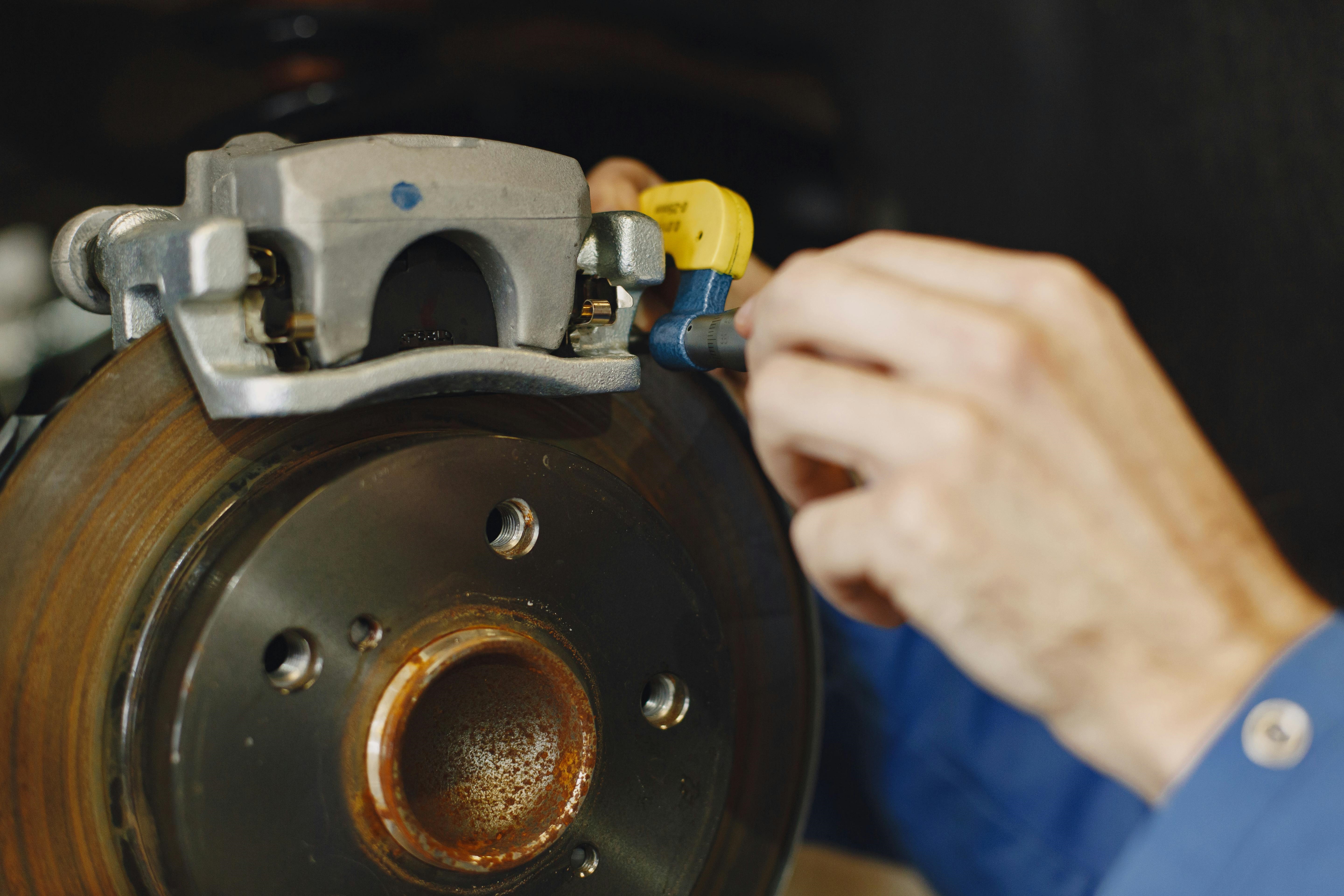
A Close-up Shot of a Vehicle Disc Brake by Gustavo Fring is licensed under the Pexels License .