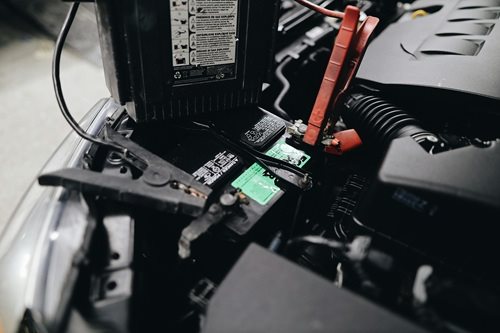
Warning Signs Your Car Battery Is About to Fail
Your car will not wait to pick a convenient time to leave you stranded. Batteries give warning signals before they die completely, but most drivers miss these signs until it is too late. Recognizing failing battery symptoms early helps you avoid unexpected breakdowns and costly emergency service calls.
Critical Signs Your Car Battery Is Dying
Battery failure rarely happens without warning. Your vehicle communicates problems through distinct symptoms that get progressively worse. Here is what to watch for:
- Slow or clicking starter
- Dim or flickering lights
- Electrical glitches
- Battery warning light
- Swollen case or corrosion
- Rotten egg odor
- Frequent jump-starts
These signs often show up together. You might notice dim headlights one morning, then struggle with a sluggish start the next day. Cold weather makes these symptoms worse, putting extra strain on an already weak battery. Many drivers blame these issues on other problems or convince themselves the symptoms will go away. If you are experiencing any of these warning signs, schedule a battery test at our Paramus location before a complete failure leaves you stranded on Route 4 during your morning commute.
Most Common Battery Failure Symptoms
Slow Engine Crank and Starting Difficulties
A healthy battery delivers instant power when you turn the ignition. When your engine cranks slowly or takes several attempts to start, your battery is struggling to provide enough power. This sluggish response happens because chemical reactions inside the battery have slowed down, reducing its ability to generate the electrical current needed for starting.
Cold temperatures make this symptom much more obvious. Winter mornings reveal what summer heat might have hidden. The battery works harder in cold conditions, so a battery that barely managed summer starts may fail completely when temperatures drop.
Northern New Jersey's temperature swings are especially hard on batteries. From hot, humid summers to freezing winters, these extremes accelerate battery degradation faster than moderate climates. Age makes this worse, with older batteries losing capacity faster during temperature changes.
Dim or Flickering Headlights
Your headlights work as a direct indicator of battery health. When the battery weakens, it cannot maintain consistent voltage to power your vehicle's lighting systems. You may notice headlights appearing dimmer than normal, especially when the engine idles. Some drivers also see flickering or brightness changes as they speed up or slow down.
Dashboard lights follow the same pattern. Interior lighting may appear dull, and gauge illumination might seem weaker. These symptoms show the battery's declining ability to supply adequate power across multiple electrical systems at once.
Electrical System Malfunctions and Accessory Issues
Modern vehicles depend heavily on electrical systems for everything from power windows to infotainment displays. A dying battery creates voltage inconsistencies that show up as glitches throughout these systems. Your radio might cut out randomly, power windows may move slower than usual, or dashboard displays could flicker or reset unexpectedly.
These malfunctions happen because the battery struggles to maintain the steady voltage required for proper accessory function. As battery capacity drops, these issues become more frequent and noticeable. What starts as an occasional quirk can turn into a persistent problem that disrupts your driving experience.
Dashboard Battery Warning Light
The battery warning light functions as your vehicle's most direct communication about charging system problems. When this light comes on, your battery may not be charging correctly. This could point to a failing battery, a malfunctioning alternator, or issues with charging system connections.
Never ignore this warning light. While your vehicle might continue running briefly, the underlying problem can get worse quickly. The battery could die without warning, or you might face more extensive electrical system damage if the root cause goes unaddressed. Our certified technicians can identify whether the issue comes from the battery itself or the alternator, making sure you get the right solution.
Physical Battery Warning Signs
Visual inspection can reveal important information about battery health. Corrosion around battery terminals appears as a white, blue, or greenish powdery substance. This buildup interferes with the connection between the battery and cables, reducing charging efficiency and electrical flow. Heavy corrosion can prevent the battery from charging properly, even if the battery itself still works.
A bulging or swollen battery case signals serious internal damage, typically caused by overheating or overcharging. The battery casing should look flat and uniform. Any warping, swelling, or distortion means the battery has been subjected to conditions that compromise its integrity and safety. Do not attempt to test or handle a swollen battery. Contact our service department immediately for safe removal and replacement.
Leaking battery acid creates the most urgent safety concern. Battery acid is highly corrosive and can damage surrounding engine components, paint, and metal surfaces. You might notice a rotten egg smell, which indicates sulfuric acid escaping from the battery. Any signs of leaking require immediate professional attention to prevent further damage and ensure safe vehicle operation.
Why Car Batteries Fail
Age and Environmental Stress Factors
Car batteries typically last three to five years under normal conditions. This is only an average, and actual longevity depends on usage patterns and environmental exposure. Extreme temperatures accelerate battery degradation more than any other factor. High heat causes battery fluid to evaporate, damaging the internal structure. Cold weather reduces the battery's ability to provide sufficient starting power.
Where you live significantly impacts battery life. Vehicles in hot climates like Arizona or Texas often experience shorter battery lifespans due to constant heat exposure. Northern regions with harsh winters create different challenges, with batteries struggling to deliver power in freezing conditions. Paramus's seasonal temperature swings expose batteries to both extremes throughout the year, making regular testing especially important for local drivers.
Driving Habits That Drain Battery Life
Frequent short trips prevent your battery from fully recharging between uses. The alternator needs time to replenish the power drawn during starting. Brief drives of five to ten minutes often do not provide enough charging time, gradually draining the battery's reserve capacity. City driving with frequent stops can make this worse.
Leaving electronics running while the engine is off drains the battery quickly. Modern vehicles contain numerous electronic systems that draw power even when parked. Headlights left on overnight, phone chargers plugged in, or aftermarket electronics can fully discharge a battery within hours. Repeated deep discharges significantly reduce battery lifespan and capacity.
How to Test a Weak Battery
Step-by-Step Voltage Testing at Home
Testing your battery at home requires a digital multimeter. Before attempting any DIY inspection, wear safety gloves and eye protection. Never test a swollen or leaking battery yourself.
- Turn off the engine and all accessories.
- Set the multimeter to measure DC voltage.
- Connect the probes: red to the positive terminal and black to the negative terminal.
- Check the voltage. A fully charged battery reads 12.6V or higher.
- Start the engine and let it idle, then test again with the engine running.
- Verify charging. Voltage should rise to 13.7V to 14.7V.
Use the chart below to understand your readings:
| Battery State | Voltage (Engine Off) | Voltage (Engine Running) |
|---|---|---|
| Healthy | 12.6V or higher | 13.7V to 14.7V |
| Failing | Below 12.2V | Below 13.7V or fluctuating |
Readings below 12.4V with the engine off indicate the battery is partially discharged and should be recharged, while anything below 12.2V suggests the battery needs immediate attention. If the engine-running voltage stays below 13.7V or fluctuates significantly, your alternator may be failing rather than your battery.
Professional Battery Diagnostics
Professional battery testing provides a more complete analysis than basic voltage readings. We use specialized equipment that measures cold cranking amps, internal resistance, and overall battery health. These diagnostic tools can help predict remaining battery life and identify problems that simple voltage tests might miss.
Our certified technicians complete battery diagnostics quickly and provide a detailed report on battery condition and remaining lifespan. This professional assessment helps you make a smarter decision about replacement timing. You can also review our current service specials when scheduling your battery diagnostic. We also offer battery maintenance support for commercial fleets serving northern New Jersey.
When to Replace Your Battery
Replace your battery proactively instead of waiting for a complete failure. If your battery is three years old or older and shows any signs of weakness, replacement is worth considering. The cost of a new battery is small compared with the inconvenience and added expense of a roadside breakdown.
Watch for patterns in battery behavior. A battery that needs jump-starts more than once may be near the end of its useful life. Similarly, if voltage tests consistently show readings below 12.4V after charging, replacement is likely necessary. Modern batteries rarely improve with age, and delaying replacement only increases the risk of unexpected failure.
Schedule Your Battery Test at Chrysler Dodge Jeep of Paramus
Expert Diagnostics and Service
Regular battery testing helps protect your investment and prevent inconvenient breakdowns. Chrysler Dodge Jeep of Paramus offers comprehensive battery diagnostics using professional equipment operated by certified technicians. Located at 315 Route 4 West in Paramus, we serve Bergen County communities including Hackensack, Little Ferry, Ramsey, Teaneck, Clifton, and Fort Lee with fast, efficient service designed around your schedule.
Our certified technicians can test your battery during any service appointment, providing a detailed analysis of its condition and remaining lifespan. If replacement is necessary, genuine Mopar batteries help deliver strong performance and reliability for your Chrysler, Dodge, Jeep, or Ram vehicle.
Take Action Today
Do not wait until you experience a dead battery to take action. Proactive battery testing only takes minutes and provides peace of mind that your vehicle will start reliably every time. Schedule your service appointment or contact our service department at 848-276-6133. We are open Monday through Friday from 7:30 AM to 6 PM and Saturday from 7:30 AM to 3 PM.
Warning Signs Your Car Battery Is Failing in Paramus, NJ
1. What are the warning signs of a failing car battery in Paramus, NJ?
Common signs include slow engine cranking, dim headlights, electrical glitches, and frequent jump-starts. In Paramus, NJ, seasonal temperature swings often make these symptoms appear sooner. If multiple issues occur together, the battery is likely nearing failure.
2. What requirements determine if a battery needs replacement in New Jersey?
There are no strict legal requirements, but voltage below 12.2V, repeated jump-starts, or visible damage indicate replacement is needed. New Jersey drivers should also consider age (3 to 5 years) and seasonal performance when evaluating battery health.
3. How long does a car battery last and how quickly can it fail?
Most batteries last 3 to 5 years, but failure can happen suddenly once performance drops. In Paramus, NJ, extreme cold or heat can accelerate decline, turning minor symptoms into a no-start situation within days or weeks.
4. What steps are involved in diagnosing a weak car battery?
Diagnosis includes checking voltage, inspecting terminals for corrosion, and testing charging output. A full evaluation may also measure cold cranking amps and internal resistance to confirm whether the battery or alternator is the issue.
5. What’s the difference between a bad battery and a failing alternator?
A bad battery shows low voltage when the engine is off, while a failing alternator causes inconsistent or low voltage when the engine is running. Both can trigger warning lights, but testing confirms the root cause.
6. What risks should I consider with a failing battery?
A weak battery can lead to unexpected breakdowns, electrical system failures, or being stranded. In high-traffic areas like Route 4 in Paramus, NJ, this creates both safety and inconvenience risks.
7. How do local conditions in Paramus affect battery life?
Paramus, NJ experiences hot summers and freezing winters, both of which stress battery components. These conditions accelerate fluid loss and reduce power output, shortening overall battery lifespan.
8. What factors determine car battery performance and value?
Battery performance depends on age, temperature exposure, driving habits, and maintenance. Short trips and frequent starts reduce lifespan, while consistent driving and proper care help maintain capacity.
9. Can I drive with a weak or failing battery?
Yes, but only temporarily. A weak battery may still start your car, but failure can happen without warning, especially in colder weather or after the vehicle sits unused.
10. What mistakes should I avoid with car battery issues?
Avoid ignoring warning signs, delaying testing, and assuming the problem will resolve itself. Also avoid leaving electronics on, skipping inspections, or handling a swollen battery, which can be unsafe.
Car Battery Beside an Engine by Julia Avamotive is licensed with Pexels License.