Most drivers get that vehicles need maintenance, yet many still delay service. Here's what we know from years of experience: skipping scheduled service doesn't make problems disappear. Small issues pile up into major failures that leave you stranded or facing repair bills far exceeding what preventive maintenance would have cost. Your vehicle's systems work together, so when one component fails from neglect, it often creates a domino effect throughout the entire vehicle.
Ready to protect your investment? Schedule your service appointment before minor issues become major headaches.
What Happens When You Skip Car Maintenance
Fuel efficiency takes the first hit. Your engine works harder when filters clog and oil loses its protective qualities. What starts as barely noticeable drops in gas mileage becomes a steady drain at every fill-up. The engine compensates for dirty components by burning more fuel.
Performance drops next. Acceleration feels sluggish, the engine sounds rougher, and your vehicle doesn't respond smoothly. These changes creep up gradually, making them easy to miss until something actually breaks. Your vehicle is trying to tell you it needs help.
Safety gets compromised when maintenance schedules slip. Brakes lose stopping power as pads wear thin and fluid degrades. Tires develop uneven wear patterns that hurt traction. Critical systems protecting you and your passengers operate below capacity, increasing accident risk with every drive, especially during northern New Jersey winters.
Maintenance Items Drivers Skip First
We see clear patterns in what drivers postpone:
Oil changes top the list. A few hundred extra miles becomes a thousand. The oil protecting your engine from friction and heat gets contaminated with dirt and metal particles, losing its effectiveness
Tire rotations get delayed because tires look okay. Uneven wear develops on inside edges or specific tread areas where you can't see it until damage requires premature replacement
Brake inspections wait for noise. Those squealing or grinding sounds mean you've passed simple pad replacement and reached rotor damage territory
Air filter replacements seem minor but dramatically affect engine performance and efficiency. This cheap, easy replacement gets forgotten
Coolant flushes get postponed despite being critical for preventing corrosion throughout the cooling system
Battery testing waits until no-start situations, when corrosion has already spread to cables and connectors
What Breaks When Maintenance Is Ignored
Engine and Oil System Damage
Your engine contains precisely machined parts moving at thousands of RPMs. Clean oil creates a barrier between metal surfaces. When oil breaks down from extended use, metal grinds against metal, generating excessive heat and wearing away critical components.
Sludge builds up as old oil thickens and deposits form, blocking oil passages and preventing proper lubrication. The result? Catastrophic engine failure requiring complete rebuilding or replacement. An engine that could last 200,000 miles with proper care might fail at 80,000 miles when oil changes get repeatedly skipped. Overheating becomes inevitable as fresh oil's cooling properties disappear, warping components and damaging gaskets and seals.
Brake System Failure
Brake pads wear down to metal backing plates when inspection intervals pass. Those metal plates grind directly against rotors, creating deep grooves and heat damage. The grinding sound means rotors need replacement along with pads, multiplying repair costs.
Brake fluid absorbs moisture over time, lowering its boiling point and corroding internal components. When you need emergency stopping power on Route 4 or the Parkway, degraded fluid can cause complete brake fade. Calipers seize from lack of maintenance, causing uneven braking, pulling, and dangerous handling characteristics.
Tire Wear and Blowout Risks
Tires wear unevenly when rotations get skipped and alignment goes unchecked. Front tires on most vehicles wear faster than rears. Without rotation, you'll replace fronts while rears still have significant tread, never getting full value from your investment.
Underinflated tires flex excessively, generating heat that breaks down tire structure from inside until catastrophic highway failure occurs. A simple monthly pressure check prevents this entirely. Northern New Jersey roads make proper tire maintenance even more critical for your safety.
Cooling System Breakdown
Coolant degrades and becomes acidic, corroding internal passages in your radiator, water pump, and engine block. This corrosion creates leaks and blockages preventing proper circulation. Your engine depends on continuous coolant flow to maintain safe operating temperature.
The water pump fails when coolant isn't changed on schedule. Degraded coolant damages the pump's bearings and seal, creating cascading failure where overheating damages the engine. Radiators develop leaks and clogs from neglected service, and replacement costs significantly more than regular coolant flushes.
Transmission Problems
Transmission fluid lubricates gears, cools components, and enables hydraulic pressure for shifting. Old fluid loses viscosity and becomes contaminated with metal particles. The transmission shifts roughly as fluid quality degrades, and internal damage accelerates.
Solenoids and valve bodies fail when dirty fluid circulates through them. These precision components require clean fluid to operate correctly. Once contaminated fluid damages these parts, the transmission may refuse certain gears or slip unpredictably. Complete transmission failure arrives without much warning when fluid changes get skipped.
Battery and Electrical Failures
Corroded battery terminals prevent proper electrical connection, leaving you stranded. Corrosion spreads from posts to cables and connectors, requiring extensive cleaning or replacement. The alternator works harder when the battery isn't maintained properly, causing premature alternator failure.
Electrical problems emerge throughout the vehicle when voltage drops from a failing battery. Modern vehicles depend on stable electrical power for dozens of computer systems. Low voltage causes error codes, malfunctions, and intermittent problems that become difficult and expensive to diagnose.
The Real Cost of Waiting: Maintenance vs. Repair Expenses
| Maintenance Task | Typical Maintenance Cost | Common Repair Cost from Neglect |
|---|---|---|
| Oil Changes | $35–$125 | $4,000–$7,000+ (engine replacement) |
| Brake Inspections | $50–$100 | $300–$800 (brake system) |
| Tire Rotations/Alignment | $20–$170 | $500–$1,000 (tires + suspension) |
| Coolant Flush | $100–$150 | $500–$2,000 (radiator/engine damage) |
| Transmission Fluid Change | $80–$250 | $1,500–$3,500 (rebuild/replacement) |
| Battery Test/Replace | $100–$200 | $500+ (electrical repairs) |
Beyond direct repair costs, think about indirect expenses. Towing fees after a breakdown add $75 to $200. Rental car costs during repairs add $40 to $80 per day. Lost work time has its own financial impact.
Your vehicle's resale value suffers significantly from poor maintenance history. Buyers pay thousands less for vehicles with incomplete service records. The money you thought you saved by skipping maintenance vanishes at trade-in time. Comprehensive maintenance records protect your investment.
Warning Signs That Require Immediate Service
Recognize these eight critical warning signs that demand immediate professional attention:
- Check engine light on (indicates potential engine or sensor issues)
- Braking changes like longer stops or vibrations (worn pads or fluid problems)
- Unusual noises such as knocking or grinding (engine or suspension wear)
- Overheating gauge (coolant or radiator failure)
- Poor acceleration or slipping gears (transmission fluid issues)
- Dashboard warning lights for battery or tires (electrical or pressure problems)
- Burning smells or smoke (oil leaks or overheating)
- Reduced fuel efficiency (clogged filters or worn components)
Keep Your Vehicle Running Strong in Paramus
Certified Service Built for Northern New Jersey Conditions
We understand the demanding conditions northern New Jersey drivers face: harsh winters, heavy traffic, and road salt that accelerates corrosion. Your vehicle needs consistent professional care to handle these challenges year after year.
Our service department at 315 Route 4 West operates with high-volume capacity to serve Hackensack, Little Ferry, Ramsey, Teaneck, Clifton, Fort Lee, and surrounding Bergen County communities. Our certified technicians use dealer-level diagnostic equipment to identify problems accurately the first time, eliminating guesswork and unnecessary repairs.
We stock genuine MOPAR parts for Chrysler, Dodge, Jeep, and Ram vehicles, ensuring quality repairs that maintain your warranty coverage and performance standards. Whether you drive a Jeep Grand Cherokee, Ram 1500, Dodge Durango, or Chrysler Pacifica, staying ahead of maintenance requirements protects your investment and prevents expensive failures.
Schedule Service Before Problems Become Expensive
Don't wait for warning lights or performance problems to force your hand. Schedule service when your vehicle needs it, not after something breaks. The difference between a $100 service appointment and a $3,000 repair often comes down to addressing issues before they escalate.
Check our current service specials to maximize value on essential maintenance. Call our service department at 848-276-6133 to book your appointment. We're committed to transparency, explaining needed services and providing estimates before any work begins.
Take control of your maintenance schedule today. Service your vehicle on schedule, address warning signs immediately, and trust our professional technicians to keep your car, truck, or SUV running strong for years to come.
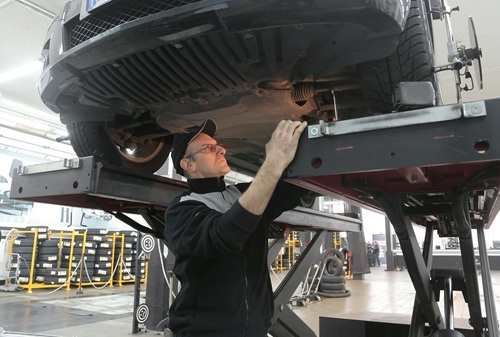
Man in Black Jacket Standing Under the Vehicle by Andrea Piacquadio is licensed with Pexels License.